Signed in as:
filler@godaddy.com

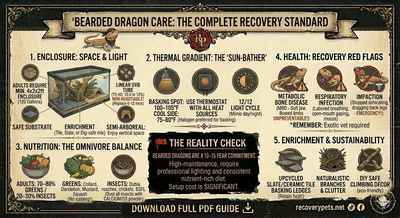
• Space: While hatchlings may use smaller enclosures, adults must have a minimum 4x2x2ft enclosure (120 gallons). They are semi-arboreal, so they appreciate vertical climbing space.
• UVB Lighting: This is non-negotiable. You must use a high-quality linear UVB tube (like a T5 HO, 10.0 or 12% strength). Coil bulbs are insufficient and often cause health issues. Replace the bulb every 6–12 months as output fades.
• Flooring: Use tile, slate, or a safe loose substrate mix that allows for digging. Avoid calcium sand, as it causes gut impaction.
• Basking Spot: 100–105°F.
• Cool Side: 75–80°F.
• Control: Use a thermostat with all heat sources. A halogen bulb is excellent for basking as it mimics natural sunlight heat. Keep lights on a 12/12 cycle to mirror day/night.
• The Diet: Adults should eat about 70–80% greens and 20–30% insects. Hatchlings are the opposite (80% insects).
• Greens: Collard greens, mustard greens, dandelion greens, and squash. (Avoid iceberg lettuce—it’s just water and has no nutritional value).
• Insects: Dubia roaches, crickets, or black soldier fly larvae. Dust all insects with calcium/D3 powder to ensure healthy bone growth.
• Hydration: Offer a shallow water dish, but they primarily hydrate through their vegetables.
• Metabolic Bone Disease (MBD): Symptoms include soft/deformed jaw, bowed limbs, or muscle tremors. This is usually caused by lack of proper UVB or calcium. This is a permanent, painful condition—prevention is the only cure.
• Respiratory Infection: Labored breathing, open-mouth gaping while not basking, or mucus around the nostrils.
• Impaction: If they stop defecating or show signs of dragging their back legs, this is an emergency.
• Upcycling: Use flat slate rocks or ceramic tiles (found as scrap at hardware stores) to create naturalistic basking ledges that retain heat effectively.
• Check our Starter Kits & Fundraisers page to see how we turn recycled materials into premium reptile habitats.
Bearded dragons are a 10–15 year commitment. They are high-maintenance animals that require professional-grade lighting and a consistent, nutrient-rich diet. The initial setup cost for proper lighting and space is significant. If you cannot provide this, please do not adopt.